Compost is Nature's Recycling
From Scraps To Soil
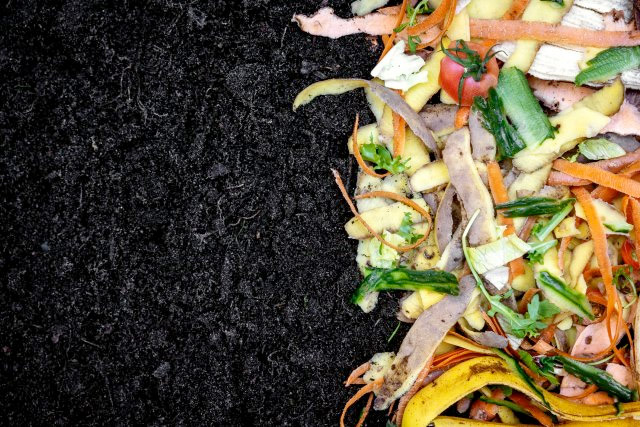
At its core, compost is decomposed organic matter – stuff like food scraps, dried leaves, grass clippings, hedge trimmings, seaweed and other biodegradable materials. When properly mixed and managed, these materials break down into a rich, dark, earthy substance full of nutrients, beneficial microbes, and organic matter that plants love.
It’s not dirt. It’s better than dirt. It’s living soil food.
Microbes make magic
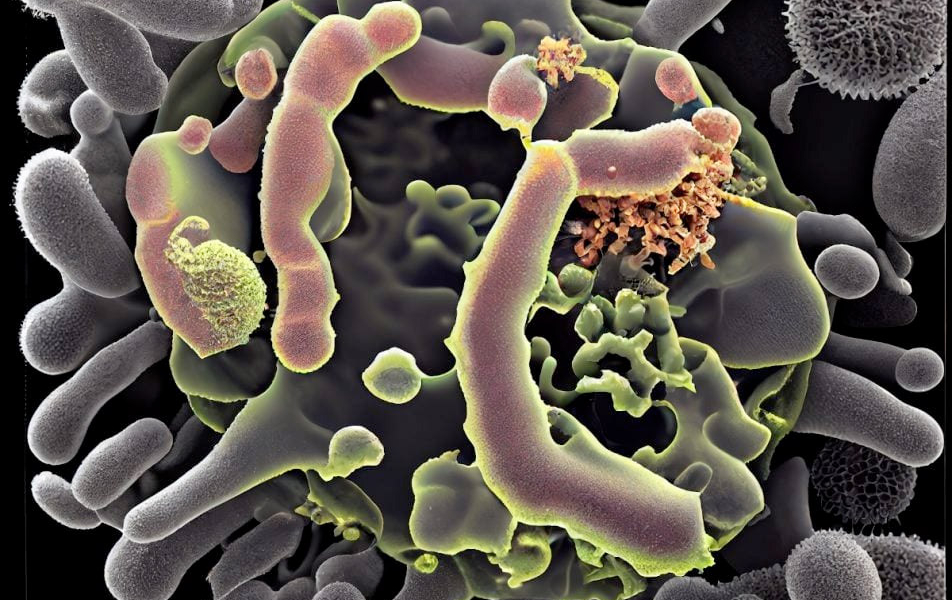
Composting is powered by billions of microscopic helpers – bacteria, fungi, and other decomposers – that eat up the waste and transform it into a stable, plant-friendly form. When you build the right environment (a good balance of nitrogen-rich “greens” and carbon-rich “browns”, moisture, oxygen, and heat), those microbes go to work breaking stuff down like a microscopic demolition crew.
The result is compost that improves soil texture and water retention, feeds plants slowly and naturally, helps suppress weed seeds and pathogens, and rebuilds damaged or nutrient-poor soils.
Not all waste is trash
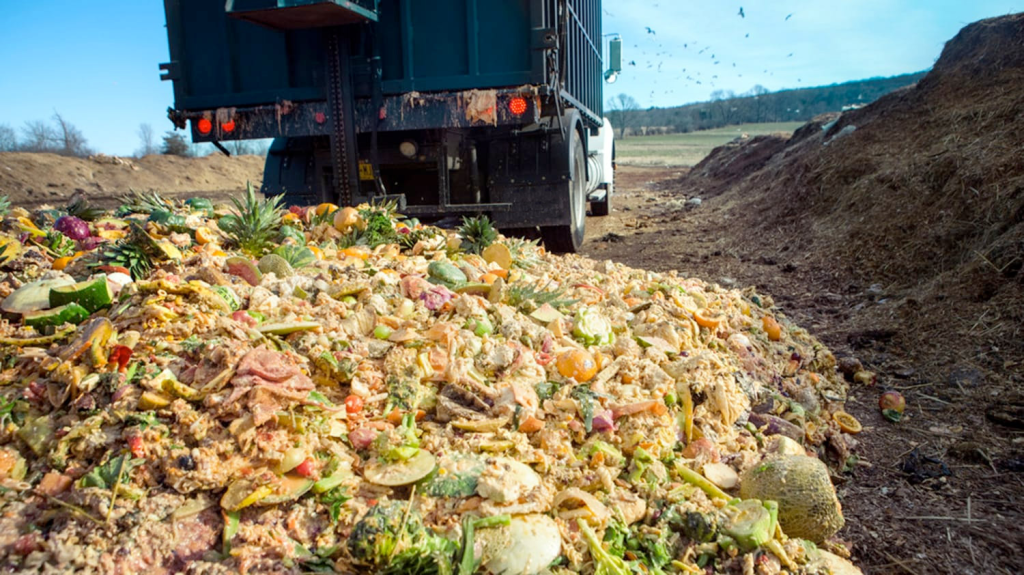
Here at Grow Antigua, we take stuff that would normally go to Cook’s landfill or end up rotting away in the bush, like yard trimmings and kitchen scraps, and give them new life as compost. It’s a simple idea, but it has big impact: less burden on our waste system, healthier soils, less reliance on foreign-made fertilizers, greater crop yields, and stronger, more resilient food systems.